
The freight forwarding industry continues to evolve rapidly in response to digital disruption, shifting global trade demands, and rising customer expectations. As we enter 2026, logistics professionals face new challenges across compliance, operations, and technology. At the same time, these changes bring opportunities to streamline systems, enhance visibility, and build stronger customer relationships.
So, what are the top freight forwarding trends to watch in 2026?
In 2026, freight forwarders must embrace digital transformation, automate compliance, enhance operational agility, and improve customer experience to stay competitive. Those who adapt quickly will lead the industry forward with smarter systems and greater service reliability.
This year’s freight environment will test how ready logistics providers are to innovate, modernize, and exceed expectations. Understanding the latest trends is the first step.
How Is Digital Transformation Reshaping Freight Forwarding in 2026?
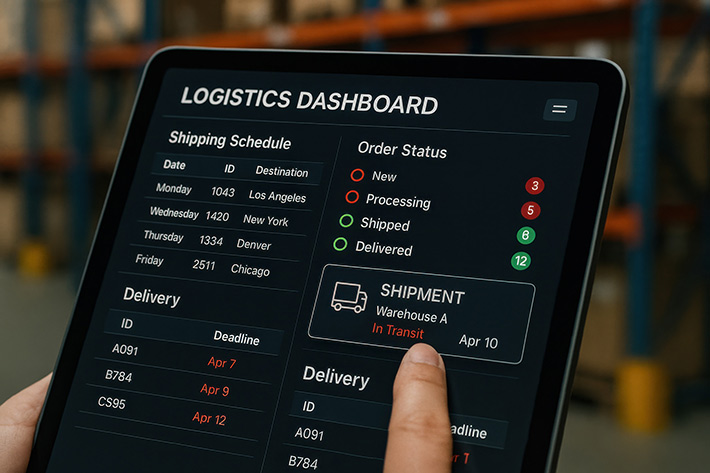
By 2026, digital tools are no longer optional for freight forwarders. Cloud-based freight software, AI-driven planning, and customer tracking platforms are now fundamental parts of modern operations. The old model of juggling spreadsheets, disconnected systems, and manual emails has become too inefficient for today’s pace of business.
Digital platforms allow logistics companies to consolidate tasks such as bookings, documentation, billing, and shipment tracking into one cohesive system. Machine learning supports route optimization, and real-time updates give both operators and customers full visibility. These tools reduce human error and administrative load, which in turn frees up teams to focus on higher-value service.
Companies that still delay system upgrades or cling to outdated workflows will find it increasingly difficult to keep up. In contrast, forwarders that embrace connected technologies are positioned to grow, scale, and differentiate their services with greater speed and accuracy.
What Role Does Compliance Play in Freight Forwarding This Year?
Compliance has become one of the most critical components of freight forwarding. Trade regulations, customs requirements, and environmental laws are expanding in scope, especially in cross-border operations. In 2026, the emphasis on automated compliance continues to grow.
Manually managing documentation, filing requirements, and audit trails is time-consuming and risky. Mistakes or delays in filing can lead to costly penalties and service disruptions. Automated compliance systems are becoming the industry standard, helping freight forwarders stay updated with changing rules, reduce paperwork, and avoid legal setbacks.
Freight companies that integrate compliance tools into their systems can instantly generate correct documentation, flag regulatory issues before they arise, and ensure every shipment follows protocol. The result is not just operational efficiency, but also enhanced trust from clients and customs partners alike.
How Are Operations and Logistics Evolving in 2026?
The operational side of freight forwarding is seeing a major shift toward automation, flexibility, and sustainability. Companies are upgrading their internal workflows with smarter tools that reduce bottlenecks and increase responsiveness. For example, warehouse operations are adopting robotics and predictive inventory management to meet faster turnaround times.
Route planning has also improved, thanks to data analytics that consider port delays, fuel usage, and weather patterns. Logistics firms are now using simulations to forecast disruptions and reroute cargo accordingly. This ability to adapt in real time is one of the defining qualities of successful freight companies in 2026.
Sustainability goals are also shaping daily operations. Eco-friendly fleet upgrades, carbon emission tracking, and optimized packaging practices are no longer optional. Logistics providers that make sustainability part of their operating strategy are meeting the demands of environmentally conscious clients and complying with new regulations that prioritize greener transport.
Why Is Customer Experience Now a Competitive Differentiator?
Customer expectations in freight forwarding have changed dramatically. Clients want more than on-time delivery. They want updates, transparency, and instant access to information. A smooth digital experience has become essential.
In 2026, the customer experience is shaped by tools that allow real-time shipment tracking, downloadable documentation, and proactive communication. Forwarders who can offer these features give clients peace of mind and confidence in their service. When issues arise, customers want fast, clear answers. Teams that are equipped with centralized systems can deliver those answers without delay, keeping customers informed.
Freight forwarders are discovering that strong client relationships are no longer just about price or speed. They are built on responsiveness and visibility. Companies that focus on the experience as much as the freight will continue to earn loyalty and gain referrals.
How Can Freight Forwarders Stay Competitive in 2026?
The companies thriving in 2026 are those that have committed to continuous improvement. The key is to invest in scalable technology, attract talent with digital fluency, and form partnerships with vendors who understand your business needs. Equally important is the ability to measure performance across departments and identify areas where automation can reduce delays or improve service accuracy.
A strong competitive strategy also includes preparing for disruption. The global shipping landscape remains unpredictable, whether due to economic shifts, climate events, or geopolitical tensions. Freight companies that can respond quickly to change are the ones that stay ahead. This means having flexible systems, trained staff, and a clear understanding of logistics at every level of the supply chain.
Transportation Management Recap
Freight forwarding in 2026 is defined by speed, precision, and adaptability. From digital upgrades and compliance automation to enhanced customer experience and sustainable logistics, the industry is evolving quickly. Companies that adopt these strategies will not only meet new expectations but set the standard for what freight forwarding can be. The future belongs to logistics providers who are ready to evolve with it.
Customized Freight Forwarding & TMS Software Solutions
CSA Software delivers cloud-based freight forwarding and transportation management (TMS) solutions designed for air, ocean, and multimodal logistics. With 4 decades of software development experience, we build customizable tools that improve efficiency, transparency, and performance across your operations. Enhance your customer experience from quote to delivery and stay competitive – Contact us today to learn more and schedule a Free Demo.