
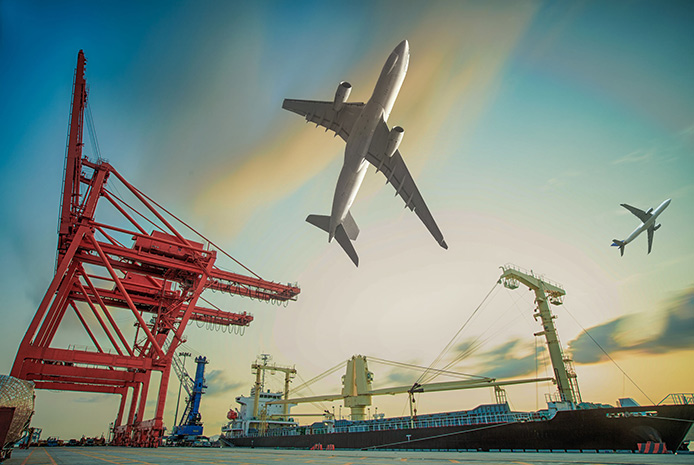
Freight forwarding has always been about connection. A single shipment may be transported by truck to a port, then cross the ocean by vessel, and continue by rail or air before being delivered by road. Each transition between transport modes adds complexity, cost, and risk.
Modern freight forwarding software is designed to handle these multi-modal shipments.
Every leg of the journey is visible and synchronized, from the first booking to the final proof of delivery. It transforms what used to be a patchwork of systems, emails, and manual updates into a single connected workflow that forwarders and customers can both rely on.
The Complexity Behind Multi-Modal Freight
No two transport modes operate the same way. When a shipment moves through several modes, every change introduces a new set of variables.
Without the right tools, forwarders end up juggling spreadsheets, email threads, and outdated tracking links. That’s where multi-modal freight software connects these moving parts into one coherent system that adapts to each mode while maintaining a unified record.
Unifying Modes Through a Single Platform
One of the most important functions of multi-modal freight software is data integration. The software uses a single record to represent the entire journey. Each transport leg is linked to the same master shipment, with updates flowing automatically between stages.
For example, when a shipment moves from sea to rail, the software automatically closes the ocean leg, generates the required interchange documentation, and activates the rail segment. Users don’t have to re-enter details like container numbers, weights, or consignee information, all the information carries over.
This continuity reduces manual data entry and eliminates the gaps where errors often occur. It also ensures every stakeholder sees the same real-time information.
Core Features That Simplify Multi-Modal Operations
1. Centralized Tracking and Visibility
One dashboard is used to track all modes, with updates displayed in the same interface. GPS feeds, carrier updates, and EDI messages display precise locations and any exceptions that may occur during transit.
2. Automated Documentation
Each mode of transport has its own paperwork, but software can automate those transitions. It creates and stores documents, such as airway bills, ocean bills of lading, manifests, and delivery receipts, in digital form, pulling shared data from the shipment record to save time and reduce duplication.
3. Rate and Cost Management
The software allows users to compare and apply the correct rate, preventing misquotes, and supports accurate invoicing.
4. Mode-Specific Templates and Workflows
A strong system recognizes the nuances of each mode. For instance, ocean shipments require container and port data fields, while air shipments rely on weight breaks and flight numbers. The software adjusts the workflow to display fields for each leg while keeping everything tied to the same master job.
5. Real-Time Alerts and Exception Handling
When cargo misses a connection, gets delayed at customs, or faces a weather disruption, the system flags it instantly. Forwarders can act before the delay spreads through the supply chain. Automated alerts help them coordinate new routes or notify customers before problems escalate.
Building Efficiency Across the Supply Chain
For forwarders, efficiency is about eliminating repetition. Multi-modal software supports this by allowing the same data to power everything — quotes, bookings, customs entries, and billing. Once a shipment is entered, that information can be reused through each stage of the process.
On the customer side, integrated software means fewer questions and faster updates. Clients can log in to a portal to view the full journey, not just one segment. They can view the location of their container, the next leg, and receive digital copies of the required documents. That transparency builds trust and reduces time spent on calls and emails.
Additionally, centralized systems facilitate collaboration. Operations teams, accountants, and logistics partners can all work from the same data. When a change occurs — such as a vessel delay or rate adjustment — it is automatically updated across every department. Shared visibility is what enables modern freight companies to operate smoothly at scale.
Handling Global Compliance with Ease
Each mode of transport comes with its own set of compliance obligations, and crossing international borders adds even more complexity. Multi-modal software manages these differences by linking to customs systems, carrier databases, and international standards.
For example, a single shipment may require the generation of a maritime export declaration, an air waybill with security details, and customs documents for import. A well-designed system handles all three without duplicating work. It can automatically populate required fields based on mode, route, and commodity codes, ensuring accuracy and consistency.
This level of compliance automation helps companies avoid penalties and delays while meeting the growing demand for audit-ready digital records.
The Future of Multi-Modal Freight Technology
As global logistics continues to evolve, software is becoming the central nervous system of the freight forwarding industry. The next generation of multi-modal platforms will likely include predictive analytics to forecast delays, carbon-tracking tools to support sustainability goals, and deeper API connections with carriers and warehouse systems.
Forwarders can focus on managing relationships, resolving exceptions, and enhancing service, while the software handles the repetitive and technical aspects of coordination.
Seamless Movement, Smarter Management with CSA Software
Multi-modal shipments will always be complex, but the technology supporting them no longer has to be. By uniting sea, air, rail, and road operations within one connected platform, freight forwarding software brings simplicity and control to an industry built on constant movement.
CSA Software provides freight management solutions designed to handle every mode of transportation with precision and reliability.